


Profile
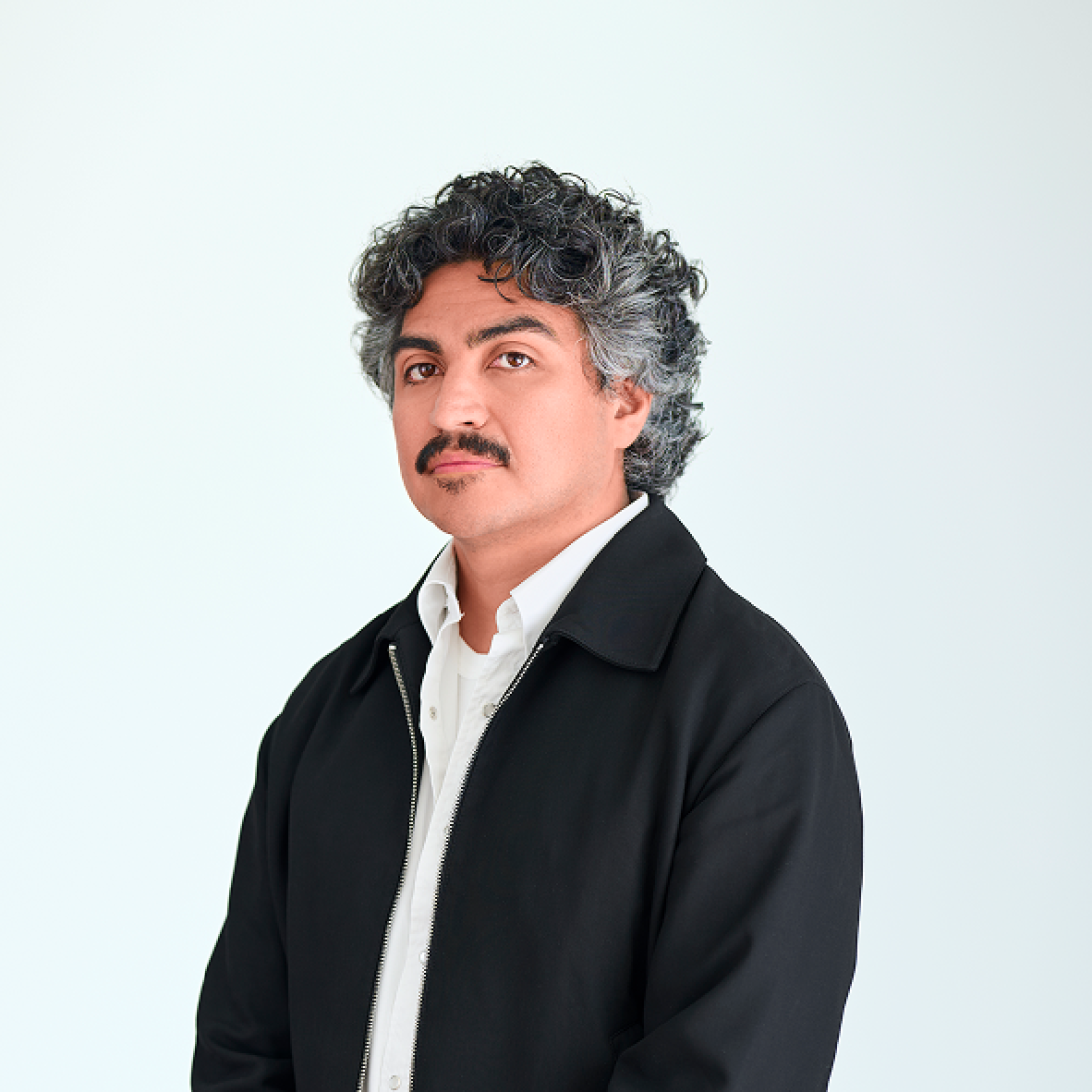
Alan J. Alaniz is an architect and historian from the Rio Grande Valley. His research examines the role of design professionals in processes of urban development, state formation, and the political economy of twentieth-century Americas. His dissertation, “It Can Be Done . . . Amigo: Visions and Configurations of Transborder Urbanism,” evaluates the contested logics of urban development along the Mexico-Texas border at mid-century and the shifting notions of space, state, and region developed by design professionals on both sides of the international boundary. Tracing the mutually reinforcing evolutions of architectural practice in the modern era, Cold War diplomacy, and international development, the dissertation situates the borderlands between Mexico and the United States as an essential site of experimentation that conditioned subsequent forms of the global economy and provided design professionals an unparalleled opportunity to renegotiate their relationship to society at large.
As a postdoctoral fellow affiliated with the School of Architecture and the Center for Engaged Research and Collaborative Learning (CERCL), he teaches history and theory courses in the Rice School of Architecture curriculum and will contribute to CERCL’s public engagement initiatives and programming.
Alaniz previously held teaching positions at Yale University, Columbia University, and the University of Cincinnati.